
Are We Expecting Too Much from a Graphic Designer?
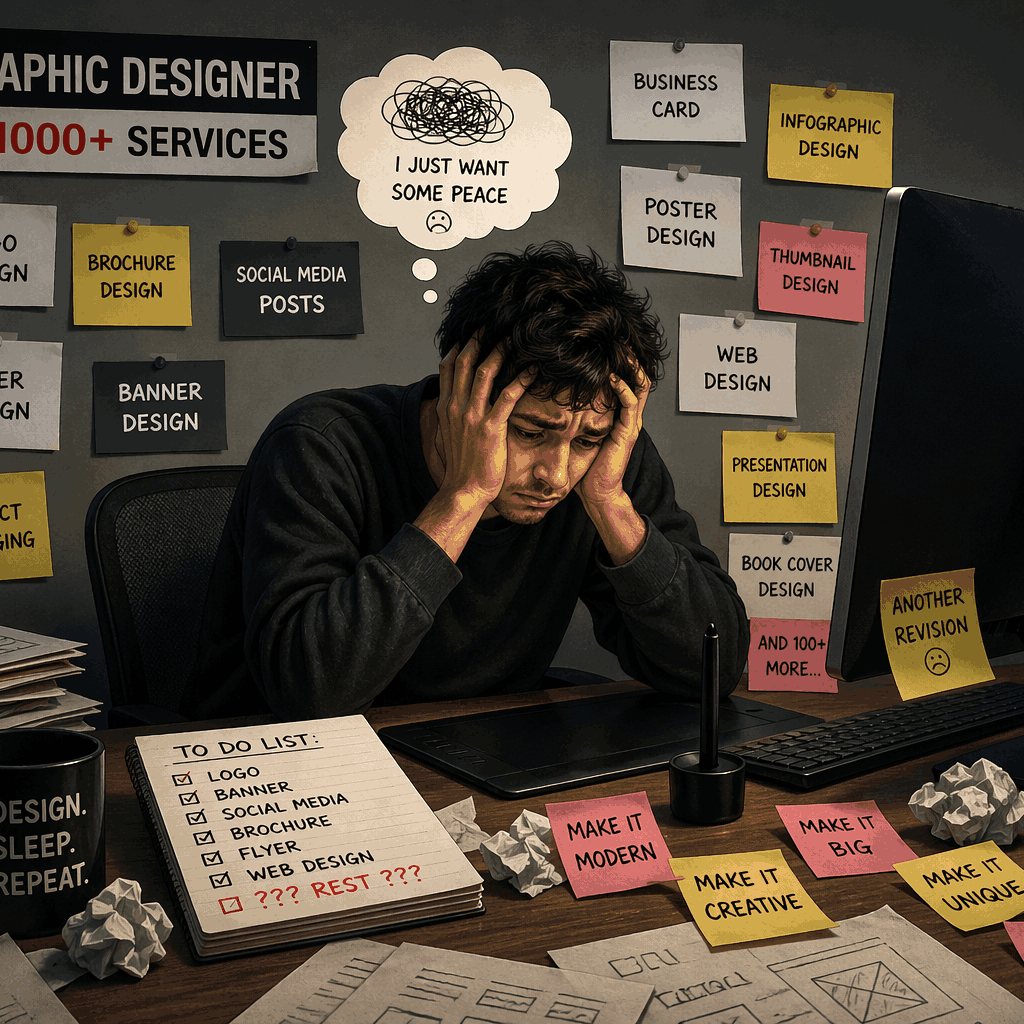
Are We Expecting Too Much from a Graphic Designer? In today’s digital world, the role of a graphic designer is rapidly evolving. Businesses now expect designers to handle not just visual design, but also video editing, web design, motion graphics, and even social media strategy. But is this really the responsibility of a graphic designer? Let’s break it down in a simple and practical way. What Does a Graphic Designer Really Do? A graphic designer’s core job is to communicate ideas visually. According to American Institute of Graphic Arts, design is about solving problems through visual communication. This includes creating: Social media posts Posters and advertisements Branding elements (logos, business cards, etc.) Marketing creatives The focus is not just on appearance – it’s about delivering the right message to the right audience. Learn more about design principles fromInteraction Design Foundation (https://www.interaction-design.org/literature/topics/graphic-design) The Growing Expectations Today, many businesses look for “all-in-one” creatives. A single designer is often expected to manage: Video Editing Website Design Motion Graphics Digital Marketing Creatives While these are valuable skills, they belong to different specialized areas. For example, motion graphics is a separate discipline explained byAdobe After Effects experts here:https://www.adobe.com/products/aftereffects.html Why Design Needs Time and Focus? Good design is not created in minutes. It requires: Time to Create Design involves research, planning, and execution. Rushing this process reduces quality. Creative Thinking Designers need time to explore ideas and develop unique concepts. Relatable Concepts A design should connect with the audience emotionally and culturally. Trend Awareness Designers must stay updated with current trends. Stay updated with trends viaBehancehttps://www.behance.net/ The Struggles of a Graphic Designer in Today’s Hiring Market One of the biggest challenges designers face today is during the hiring process. Many job descriptions demand multiple skills like video editing, motion graphics, and web development – all under one role. This creates several struggles: Unrealistic Expectations – One person is expected to master multiple professions. Low Compensation for High Skill Sets – Pay often does not match the workload. Creative Pressure – Constant task-switching reduces quality. Lack of Role Clarity – Designers are unsure of their actual role. Limited Growth – Designers become generalists without depth. Industry hiring trends can be explored onLinkedInhttps://www.linkedin.com/jobs/ The Problem with “Do Everything” Roles When a designer is expected to handle everything, it often leads to: Creative burnout Lower quality work Lack of innovation Missed deadlines Instead of mastering one area, the designer is forced to divide attention across multiple tasks. Read more about creative burnout fromHarvard Business Reviewhttps://hbr.org/ Multi-Skilled vs Overloaded There is a difference: A multi-skilled designer chooses to learn and grow. An overloaded designer is forced to do everything without resources. Learning multiple skills is great. But expecting one person to do everything is not realistic. What Businesses Should Understand If you want high-quality design, you need to: Give designers enough time Respect the creative process Understand role specialization Focus on quality over quantity Learn about branding importance fromForbeshttps://www.forbes.com/ Good design is an investment, not just a task. Final Thoughts A graphic designer can do many things – but that doesn’t mean they should do everything. Great design doesn’t come from doing more work.It comes from better thinking, clear concepts, and creative focus.
How Digital Marketing Helps To Grow Your Business
How Digital Marketing Helps To Grow Your Business Digital marketing in 2026 is the foundation of modern business growth. It clearly demonstrates How Digital Marketing Helps To Grow Your Business by promoting products and services through digital channels such as search engines, social media platforms, websites, email, mobile apps, and online advertising. As consumers spend more time online researching, shopping, and engaging with brands, businesses must build a strong digital presence to stay competitive and visible. Understanding How Digital Marketing Helps To Grow Your Business begins with recognizing its power to reach the right audience at the right time. Unlike traditional marketing, digital strategies allow businesses to target specific demographics, interests, behaviors, and locations. This precise targeting reduces wasted spending and significantly increases the chances of converting potential customers into loyal buyers. Another key reason How Digital Marketing Helps To Grow Your Business is through measurable and data-driven results. Businesses can track website traffic, engagement rates, leads, conversions, and return on investment in real time. This analytical approach enables companies to refine their strategies, improve campaign performance, and make smarter marketing decisions that directly contribute to long-term growth. What Digital Marketing Includes 1. Increased Online Visibility Through SEO 2. Targeted Advertising for Faster Results 3. Social Media Marketing Builds Brand Trust 4. Content Marketing Drives Authority & Conversions 5. AI & Automation Improve Efficiency 6. Data-Driven Decision Making 7. Improved Customer Experience Increased Online Visibility Through SEO Search Engine Optimization (SEO) remains one of the most powerful growth tools in 2026. When your website ranks higher on Google, more potential customers find your business organically. Why SEO Matters: Drives high-quality organic traffic Builds long-term credibility Reduces dependency on paid ads Increases website authority With AI-driven search and voice search growing rapidly, optimizing for user intent and helpful content is more important than ever. Targeted Advertising for Faster Results Paid advertising on platforms like Google Ads, Meta (Facebook & Instagram), and LinkedIn allows businesses to reach highly specific audiences. Benefits of Paid Ads in 2026: Advanced AI audience targeting Retargeting warm leads Quick traffic and sales Measurable ROI Smart businesses combine paid ads with SEO for both short-term and long-term growth. Social Media Marketing Builds Brand Trust Consumers trust brands they interact with regularly. Social media platforms like Instagram, TikTok, LinkedIn, and YouTube help businesses: Increase brand awareness Engage directly with customers Showcase products and services Build loyal communities In 2026, short-form video content and authentic storytelling are key drivers of engagement. Content Marketing Drives Authority & Conversions Content is still king — but valuable, problem-solving content wins in 2026. Types of high-performing content: Blog articles Educational videos Case studies Email newsletters Interactive content Quality content improves SEO rankings, builds trust, and nurtures leads through the sales funnel. AI & Automation Improve Efficiency Artificial Intelligence is transforming digital marketing. Businesses now use AI for: Personalized email campaigns Chatbots for customer support Predictive analytics Content optimization Automated ad management This reduces costs while improving performance and customer experience. Data-Driven Decision Making Digital marketing provides real-time analytics, allowing businesses to track: Website traffic Conversion rates Customer behavior Campaign performance With this data, companies can refine strategies and maximize ROI. Improved Customer Experience From personalized recommendations to fast customer support, digital marketing enhances the overall customer journey. A smooth online experience leads to: Higher retention rates More repeat purchases Stronger brand loyalty In 2026, businesses that prioritize customer experience outperform competitors. Key Digital Marketing Trends in 2026 AI-powered search results Voice search optimization Short-form video dominance Influencer collaborations Omnichannel marketing strategies Privacy-first marketing Conclusion Digital marketing in 2026 is smarter, more personalized, and highly data-driven. Businesses that invest in SEO, content marketing, social media, paid ads, and AI automation gain a competitive advantage. If you want to grow your business in 2026, the key is not just being online – but having a strategic digital marketing plan that delivers measurable results.
Can AI Replace Graphic Designers in 2026? (A Complete Guide)
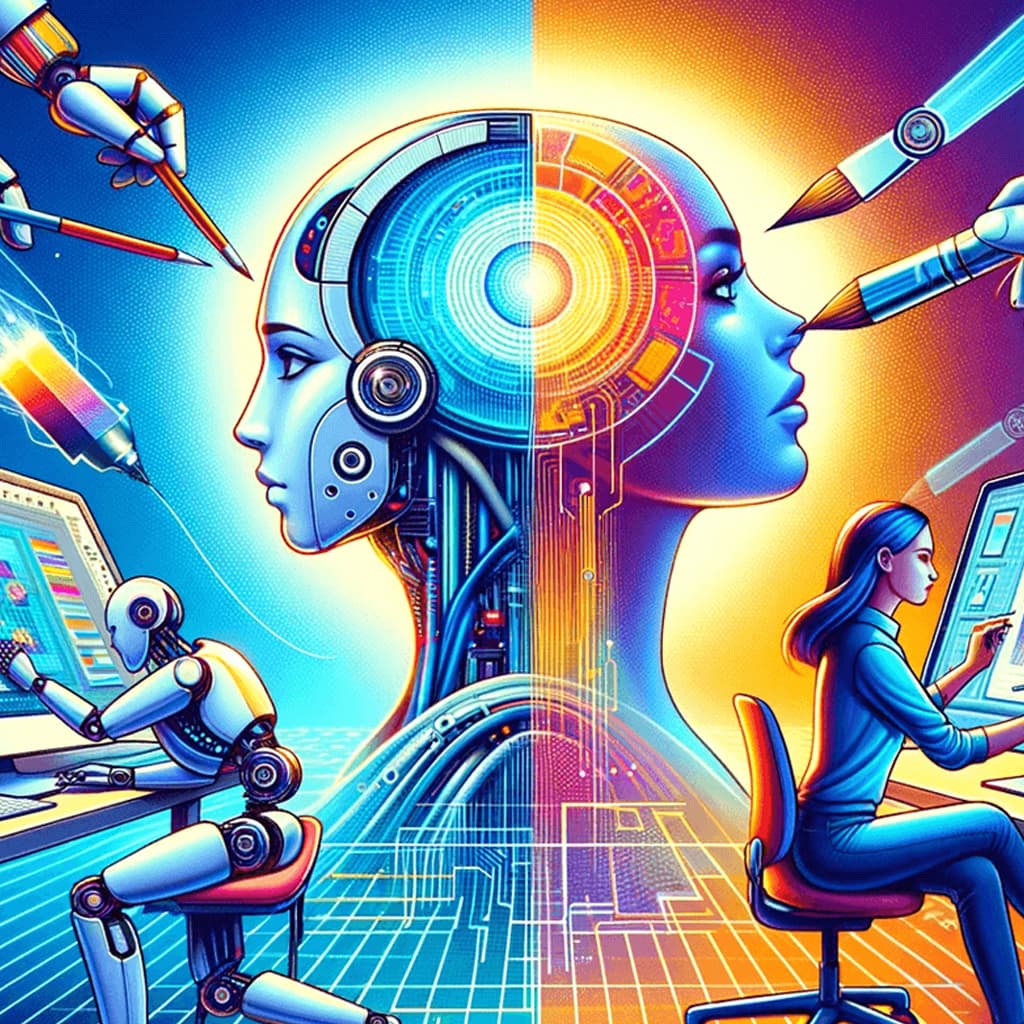
Can AI Replace Graphic Designers in 2026? (Complete Guide) Artificial Intelligence (AI) is changing the creative industry faster than ever. In 2026, AI tools can generate logos, social media posts, and even full brand identities within seconds.This raises an important question: Can AI replace graphic designers completely?Let’s explore the truth in a simple and practical way. What AI Can Do in Graphic Design (2026 Update) AI tools today are capable of: Creating logos instantly Designing social media posts Editing images automatically Generating branding ideas These tools are fast, cost-effective, and accessible to everyone. However, AI depends on existing data – it does not create from real human experience. Speed v/s Human Creativity AI wins in speed. It can generate hundreds of designs in seconds. But human designers bring: Original ideas Creative thinking Unique storytelling A design is not just about how it looks — it’s about what it means. Emotional Connection in Design Good design creates emotions like: Trust Excitement Comfort Urgency AI does not understand emotions. It only predicts patterns. Human designers understand: “How will this design make people feel?” That emotional intelligence is irreplaceable. Design is More Than Just Visuals Clients today expect more than just design files. They need: Brand identity Strategy Market understanding Communication clarity A graphic designer becomes a Problem Solver, not just a creator. AI cannot replace this level of thinking. AI as a Tool, Not a Replacement In 2026, smart designers are using AI as a support tool: Faster workflow More creative exploration Better productivity Instead of replacing designers, AI is enhancing their capabilities. The Problem with AI-Generated Designs AI-generated designs often: Look similar or repetitive Lack originality Miss brand personality Businesses that want to stand out still need human creativity. The Future Role of Graphic Designers Graphic designers are evolving into: Brand strategists Creative thinkers Visual storytellers The future is not about tools — it’s about ideas. How Designers Can Stay Relevant To succeed in 2026 and beyond: Learn AI tools Focus on creativity and originality Build a strong personal brand Understand marketing and user psychology Adaptation is the key to growth. Final Verdict: Can AI Replace Graphic Designers? No – AI cannot fully replace human designers. But: It can automate basic tasks It will change the design process The real winners are designers who combine: Human Creativity + AI Power Conclusion AI is not a threat – it is an opportunity. Graphic design is about: Emotion Communication Human connection And these are things AI cannot truly replicate.